01 / Observe
Return to seagrass sites
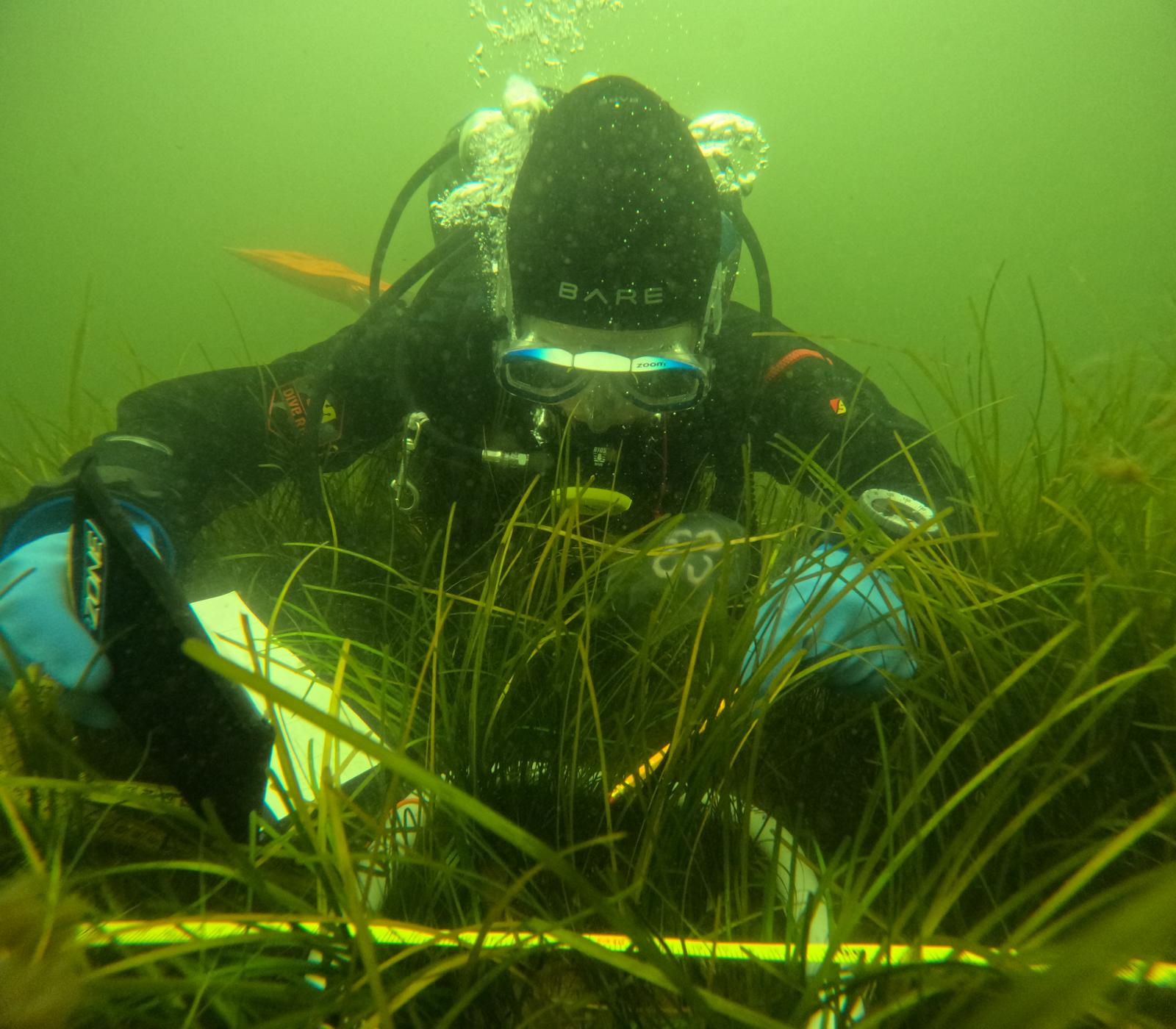
We visited five sites, including places studied around 20 years ago. We’re recording their condition so we can compare what we find over time.
Marine conservation · Archipelago Sea
BaltiskaBönderna is a marine conservation organisation founded by marine biology students at Åbo Akademi University. Our focus is protecting and restoring the Baltic Sea through fieldwork, monitoring and documentation. Our first project monitors seagrass meadows and tests restoration approaches in the Archipelago Sea.
How we started
We wanted to take an active role in protecting the Baltic Sea. We began by learning about the challenges it faces and asking where our skills could contribute directly. As marine biology students and divers, we saw a way to combine underwater fieldwork, monitoring and restoration. That is why we founded BaltiskaBönderna: we believe acting directly and learning from the results can help create change.
Our first project is in the Archipelago Sea. We are revisiting seagrass sites, including places surveyed around 20 years ago, and recording their condition. We have also started a small planting experiment comparing three combinations. We have seen some early indications, but they are preliminary and need further monitoring before we can draw conclusions.
Our work
Our first field season focuses on seagrass monitoring, a small-scale restoration experiment and underwater documentation.
We visited five sites, including places studied around 20 years ago. We’re recording their condition so we can compare what we find over time.
We planted nine small patches: seagrass alone, seagrass with Potamogeton, and seagrass with Ruppia. We don’t yet know which approach will work best.
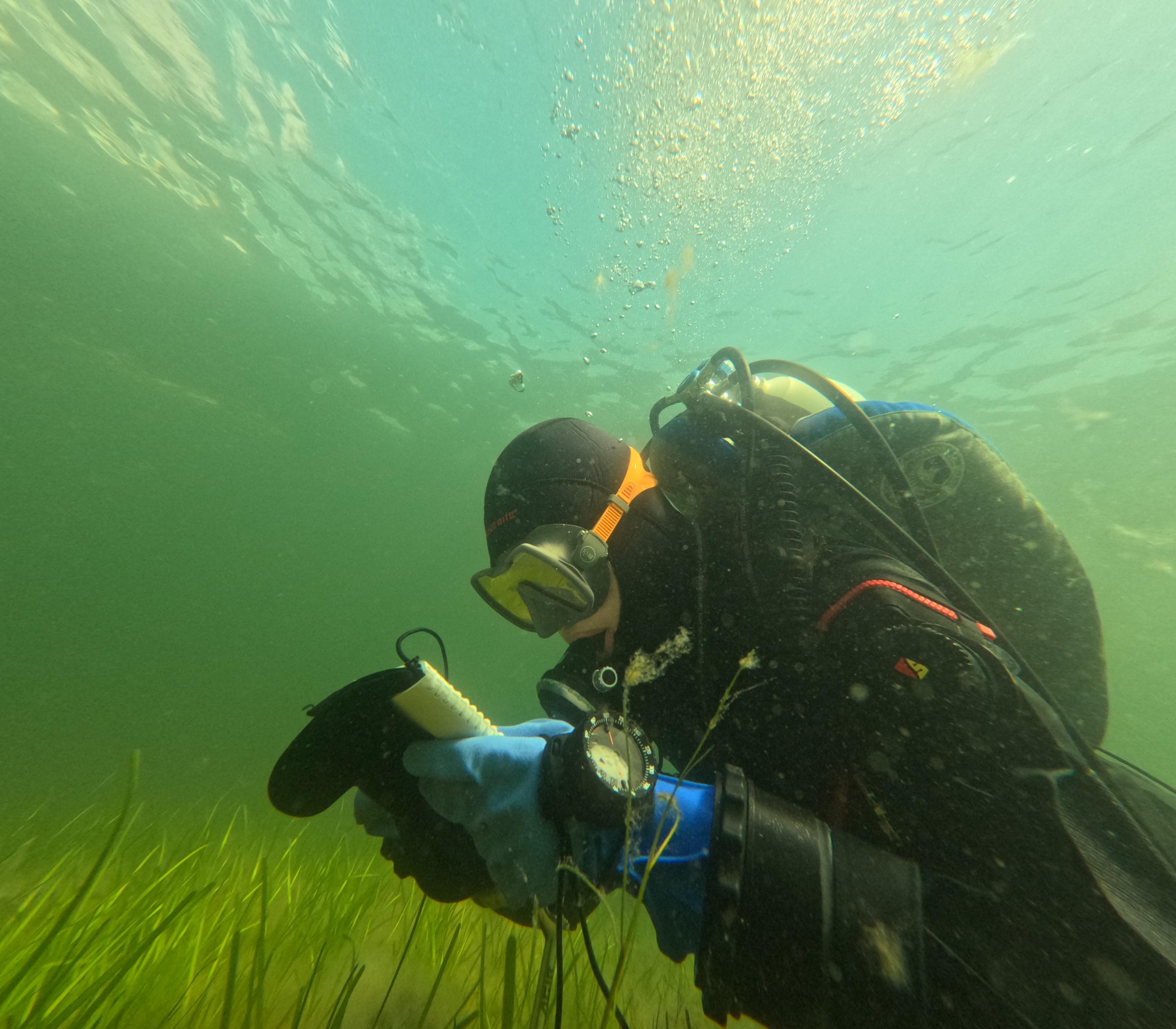
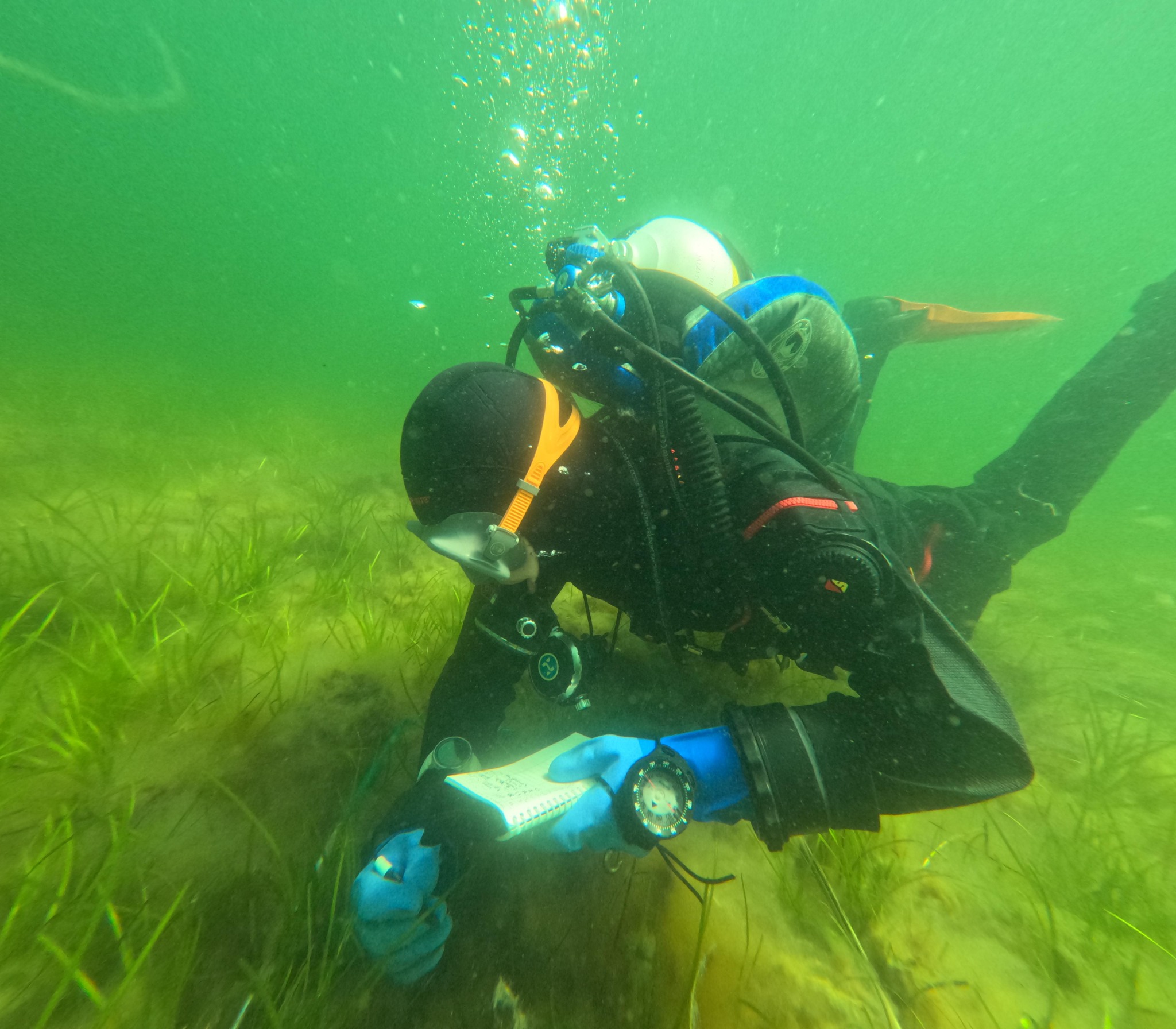
We take photos and film on our dives so people who can’t get underwater themselves can see these meadows too.
Why seagrass? HELCOM’s 2024 Red List assesses eelgrass habitats in the Baltic Sea: three eelgrass-dominated habitat types are classified as Vulnerable, while one is listed as Least Concern. Read HELCOM’s eelgrass information sheet (PDF).
Underwater documentation
Most people cannot visit a seagrass meadow underwater. Our photographs and film make these places, and the work taking place there, easier to see.
We are developing our first documentary alongside the fieldwork and will publish it here when it is ready.
Our documentary project Read the field storyWho we are
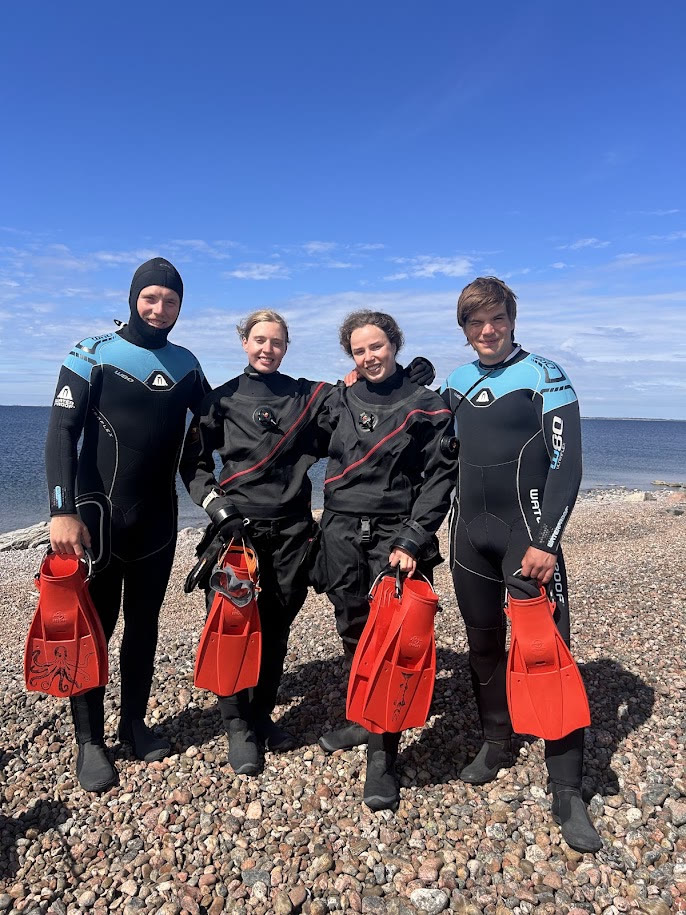
From left to right: Fynn Robering · Kristin Wikström · Alice Nozais · Viggo Henelius
We are four marine biology students and divers at Åbo Akademi University. Two of us hold scientific occupational diver qualifications. Our work combines underwater monitoring with photography and film.
Next season
We are planning one project designed to benefit the community, and another to explore how excess nutrients can be removed from the water and reused. We will share more as the plans take shape.
Read about our first field seasonOur partners